
Renovation Services in Seminary Hills Nagpur — Transform your home into a nature-connected, premium living space that blends modern comfort with the beauty of its surroundings.
Seminary Hills is not the kind of neighbourhood that needs an introduction to anyone who has spent real time in Nagpur. It sits at the elevated, greener end of the city’s identity — the part that has always had a different quality of light, a different pace, a different relationship to space. The bungalows here were built with a seriousness of intent that the newer residential layouts of Wardha Road or Amravati Road haven’t replicated. The plots are generous. The trees are mature. The streets run through contours rather than on a flat grid. And the homes — the ones well maintained and the ones that haven’t been — carry the accumulated investment of families who understood that building here was a commitment worth making properly.
Which makes the question of renovation particularly loaded in this neighbourhood. When a Seminary Hills family begins thinking about updating their home — whether a bungalow from the 1970s or 1980s that has been well-lived in but never properly updated, or a newer construction that was built functionally and finished minimally, or a property acquired from another family — the stakes are different from what they would be in a newly developed township. Here, a poorly executed renovation doesn’t just fail to improve the home. It can actively damage the character of a building that has something genuine about it, replacing what was honest and settled with something that looks improvised and impermanent.
Getting renovation right in Seminary Hills — and in the surrounding areas of Ambazari, Civil Lines, Sadar, North Nagpur, Dhantoli, and the older residential localities that share this part of the city’s character — requires design seriousness combined with genuine respect for what the existing building already is.
Renovation Services in Seminary Hills Nagpur
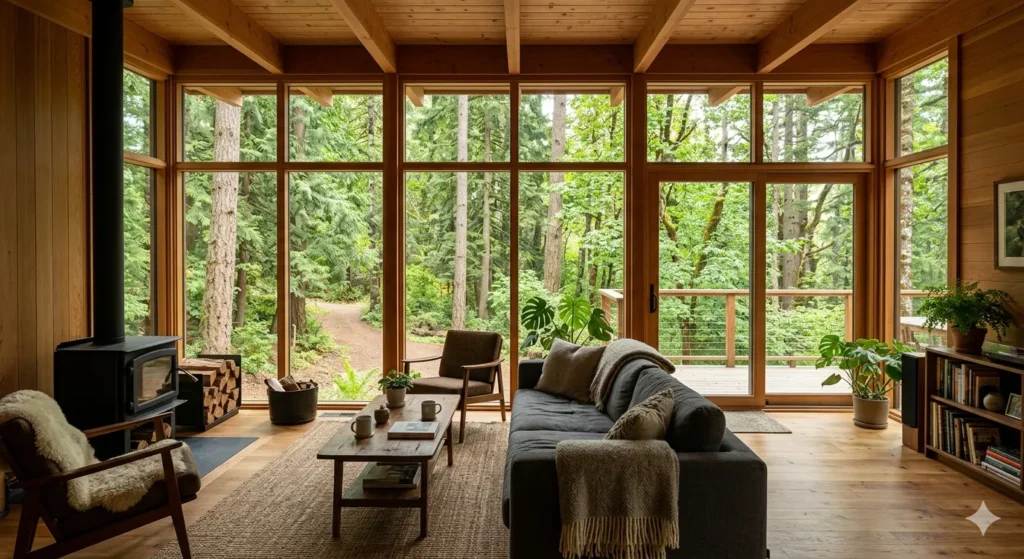
What Renovation Actually Means for a Seminary Hills Home
The word renovation is used loosely enough that it is worth establishing early what it covers in this context. At the lighter end, renovation means freshening an existing interior — repainting, replacing dated bathroom fixtures, updating kitchen surface finishes — without changing anything structural or spatial. This is maintenance with ambition. It makes a visible difference but it is not design work in any deep sense.
At the more comprehensive end — which is where most Seminary Hills families find themselves when they engage seriously with what their home needs — renovation means a fundamental rethinking of how the building works and how it is finished. This covers the spatial organisation of the interior, where walls that divide spaces inefficiently become candidates for removal or relocation. It covers all finish surfaces throughout — flooring, ceiling treatments, wall finishes, all joinery. It covers the services infrastructure — the electrical system, which in older Nagpur bungalows is often running on wiring that predates the load requirements of a contemporary household, plus the plumbing and bathroom waterproofing. And it covers the interior as a coherent designed object — not a room-by-room upgrade but a comprehensive plan that makes decisions about each space in relationship to every other.
The families who get the most from renovation investment are the ones who approach it with clarity about which category they are in. A renovation designer who asks diagnostic questions before proposing scope is doing their job correctly. One who arrives with a standard package is not.
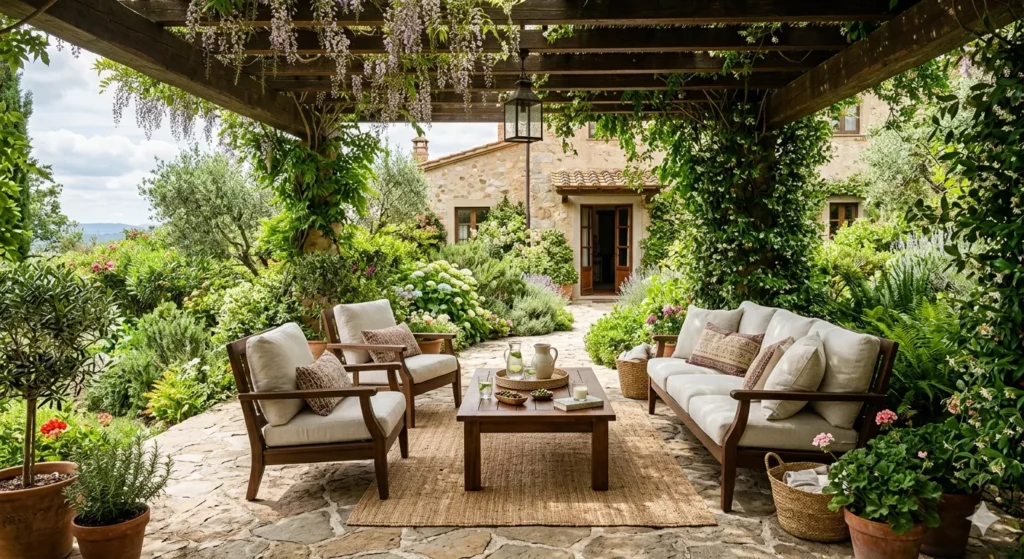
The Specific Character of Seminary Hills and Its Renovation Challenges
Seminary Hills bungalows share a set of physical characteristics that create both the opportunities and the specific challenges of renovating in this part of Nagpur. Understanding both before beginning is the preparation that prevents the mid-project surprises that drive cost overruns and schedule extensions.
The opportunities are significant. Room sizes in older Seminary Hills bungalows tend to be genuinely generous — the product of a building era when full plots were being developed without the FSI pressures that constrain contemporary construction, and when the cultural understanding was that rooms should be comfortable to occupy at full family capacity. Large rooms with good proportions are forgiving of design decisions in a way that cramped contemporary spaces never are. The designer has room to work, room to create spatial hierarchy within a single large room, room to place furniture with real thought about circulation and use. This spatial generosity cannot be bought with renovation budget. It is either there in the existing building or it isn’t, and in Seminary Hills it typically is.
The mature trees that characterise this neighbourhood are among its most valuable assets and among the most frequently damaged during renovation. Ground-level excavation or construction traffic without protective measures for root zones can damage trees that took forty years to reach their current scale — damage that may not show immediately but manifests as tree decline two or three years after the work is done, and is irreversible. Any renovation involving work near established trees needs specific root protection discussed with the contractor before a spade enters the ground.
The challenges are equally specific. Older Nagpur bungalows here typically carry four decades of accumulated waterproofing failures — terrace slabs with micro-cracks, bathroom waterproofing that was never done to modern standards and has allowed moisture to travel laterally through wall sections, parapet copings that have separated and let rainwater into the wall core. These are structural moisture problems, not cosmetic ones, and they will undermine any decorative work applied over them. A renovation that paints over a damp wall produces a good-looking result for one season and a damaged one after the next monsoon.
The electrical systems in older Seminary Hills homes frequently require full replacement. A wiring system from the 1970s or 1980s was designed for the load of that era — a few light points, a fan per room, perhaps one air conditioner. A contemporary household runs multiple ACs, a full kitchen’s worth of appliances, computers, and inverter systems. The cabling gauges, circuit breaker ratings, and earthing arrangements of the original system are not adequate for this, and running a renovation without addressing them creates problems ranging from nuisance to genuine safety risk.
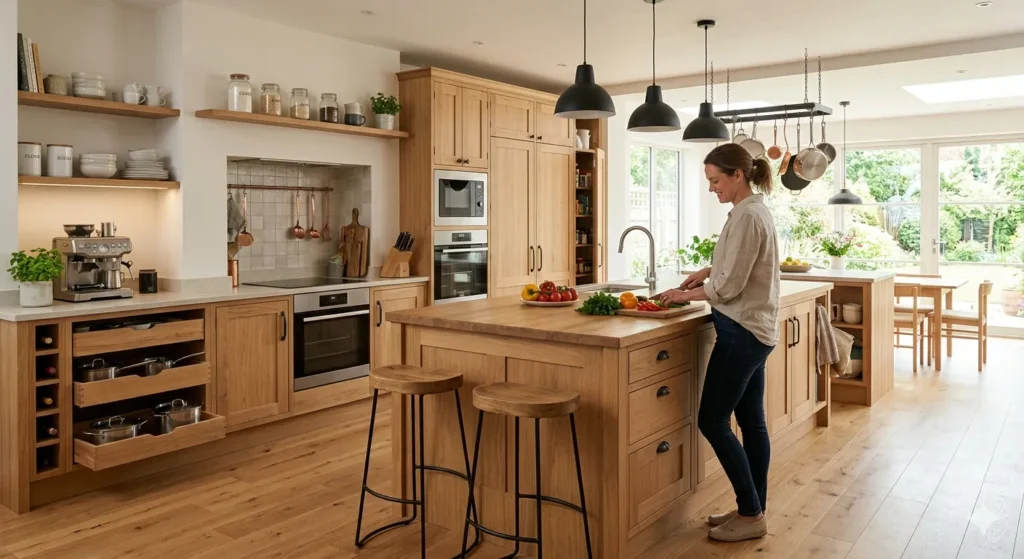
Renovation in the Broader North Nagpur Context
Seminary Hills does not exist in isolation. The families considering renovation in this area also search for services relevant to nearby localities — Ambazari Garden area, Sitabuldi, Civil Lines, Sadar, Dharampeth, Shivaji Nagar, Gandhibagh, Lakadganj, Jaripatka, and the older housing board colonies that fill in the map between these named areas. Renovation contractors and design firms operating from a Seminary Hills base typically serve this entire northern and central Nagpur corridor, and the building typology — older bungalows and row houses on proper plots, built to pre-liberalisation construction standards, occupied by families with long histories in the city — is consistent enough across these localities that the same design thinking applies throughout.
The renovation conversation that is happening in Seminary Hills in 2025 and 2026 is happening in parallel in Civil Lines bungalows that haven’t been touched since their original construction, in the larger independent homes of Dharampeth that were built in the 1990s and are now due their first serious update, and in the older row house typology of Sitabuldi and Sadar where smaller footprints demand more careful design thinking to produce genuinely livable results. The specific technical demands vary by building type and age, but the underlying design challenge — how to produce a home that works excellently, is finished correctly for the climate, and respects the intelligence of what was already there — is consistent.
What Good Renovation Design Looks Like in Practice
A renovation in Seminary Hills that is done well leaves the visitor unable to identify exactly what has changed and why it feels so much better. This is not a failure of impact. It is the highest form of renovation success. The home feels right — settled, generous, confident — without any single element announcing itself as the renovation achievement. The flooring works with the ceiling height. The joinery is at the right scale for the room. The lighting creates atmosphere rather than just illumination. The connection between the covered veranda and the interior living space is natural rather than abrupt. Everything coheres.
This result is achieved through decisions that are modest in isolation and significant in combination. The flooring — almost certainly natural stone in principal areas, whether Kota, Indian marble, or a quality granite appropriate to the room’s character and use. Selection should be made from actual slabs, not catalogue samples, because variation within a stone category is significant enough that it matters visually. The ceiling treatment — in a Seminary Hills bungalow with genuinely good ceiling heights, the temptation to install elaborate multi-level false ceilings should be resisted. A single well-proportioned false ceiling that houses the lighting infrastructure cleanly is almost always better than a complex design that clutters the overhead plane and makes the room feel restless rather than calm. The joinery — kitchens and wardrobes in solid wood or quality veneer on proper marine ply carcasses, with hardware specified for durability and with shutters hung on European hinges that will remain correctly adjusted for years without attention.
The bathroom renovation in a Seminary Hills home deserves particular design care because bathrooms are where renovation investment is most clearly felt in daily life. A bathroom renovated with proper waterproofing, quality vitreous fixtures, thoughtful tile selection, good lighting including task light at the vanity, and proper ventilation is one of the most significant quality-of-life improvements a renovation delivers. The temptation is to choose tiles first and address functional requirements second. The correct sequence is exactly the opposite — resolve the waterproofing, ventilation, lighting plan, and fixture selection first, then choose tiles that work with these decisions rather than in spite of them.
The Kitchen: Renovation’s Most Complex and Most Rewarding Room
The kitchen renovation in a Seminary Hills home is almost always the most technically complex part of the project and where the gap between a well-designed result and a mediocre one is felt most persistently. Traditional Nagpur households cook seriously — sustained heat, significant smoke and steam, large vessels, often multiple people working simultaneously. The kitchen designed for this reality is a very different room from the one that standard kitchen catalogues present.
Extraction ventilation is the decision most consistently under-specified and most consistently regretted. A chimney hood sized for European cooking — low-heat, low-steam — is inadequate for traditional Indian cooking on multiple burners with large kadais. Specifying extraction capacity to match the actual cooking load, including the duct routing from the cooking area to an external outlet, is one of the clearest markers of a renovation designer who understands how these households actually cook.
Counter surfaces in this context are most sensibly specified in granite or natural stone — materials that handle hot vessel placement without damage, clean properly, don’t deteriorate under daily cooking conditions, and look right fifteen years from now. The storage design needs to accommodate the actual contents of a Nagpur kitchen — large pressure cookers, multiple kadais, stored pulses and grains, the spice organisation of a serious traditional kitchen — rather than a catalogue template that assumes a different cooking culture entirely.
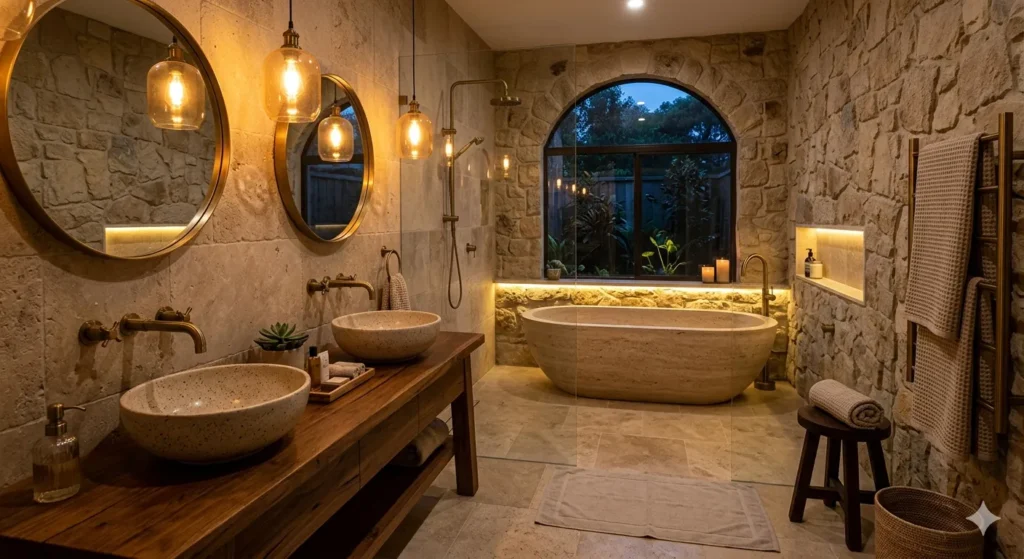
Finding Renovation Expertise That Understands Seminary Hills
The renovation services market in Nagpur is large and varied, and the family approaching a first major renovation in Seminary Hills needs evaluation tools that work better than social referrals alone. A contractor who has done good work fitting a flat in Manish Nagar or Hingna is not automatically the right person to renovate a forty-year-old bungalow in Seminary Hills. The building types are different, the challenges are different, and the design sensitivity required is different.
Ask specifically about completed renovation work in Seminary Hills or comparable older Nagpur localities — Civil Lines, Dharampeth, Ambazari, Sadar. Visit completed projects rather than reviewing photographs. The questions to ask in a completed project are the same ones that matter in daily life: Has the work held up through two or three monsoon seasons? Are there any waterproofing or surface finish failures? Does the home feel coherent — like a building that was thoughtfully reworked — or does it feel like an older structure with newer patches applied?
Ask about the structural assessment process before design begins. A renovation firm that starts designing before it understands the building’s structural and services condition is working in the wrong order. A preliminary assessment — roof slab condition, bathroom waterproofing, electrical system adequacy, plumbing condition — is the legitimate first step of any serious renovation engagement. A firm that proposes it before proposing a design is demonstrating the right priorities.
What Renovation Costs in Seminary Hills
Renovation budgets for Seminary Hills homes as of now vary by scope, building size, and specification level. For a focused renovation covering kitchen, bathrooms, all interior finishes, and lighting in a 2,000 to 3,000 square foot home, expect a total project cost in the range of ₹20 to ₹50 lakhs depending on material specification and whether structural modifications are included.
The most valuable budget principle is to invest in structure and services before finishes. Waterproofing corrections, electrical replacement, and plumbing updates are unglamorous line items that add nothing visible to the finished home — but they are the foundation on which every visible element rests. Renovations that scrimp on these to fund better tiles or more expensive cabinetry will show the consequences within three to five years at repair costs that exceed what the structural work would have cost at renovation stage.
The families who are happiest with their renovation outcomes in Seminary Hills — the ones who will tell you two years later that it was the right decision — are almost universally the ones who went in with a clear scope, a realistic budget with genuine contingency, and a design partner honest about what the building actually needed.
Work With QC Interiors
QC Interiors brings specialist residential renovation expertise to Seminary Hills and across Nagpur’s established residential neighbourhoods — Civil Lines, Ambazari, Dharampeth, Sadar, Sitabuldi, and the older localities that share this part of the city’s character. Their team approaches every renovation with structural honesty first and design ambition second — the sequence that produces renovations that last rather than ones that look good at handover and begin to show problems within two monsoons.
Ready to begin the conversation about your home? Book a site visit with QC Interiors. A site visit fee of ₹2,500 is charged, which is fully adjustable against your project booking amount — meaning the consultation costs you nothing if you choose to move forward with the project. Contact QC Interiors today to schedule your visit.
Frequently Asked Questions
Q1. Is Seminary Hills a separate planning jurisdiction from the rest of Nagpur for renovation approvals?
Structural renovations that involve changes to the building envelope, additions, or changes to the number of floors require NMC or relevant authority approval. Interior renovations that don’t affect structural elements or the external building envelope generally don’t require a separate approval, though it is worth confirming the specific scope of work with a professional before beginning.
Q2. How do I know whether my bungalow’s roof slab needs attention before renovation begins?
The signs to look for include water staining on internal ceiling surfaces that corresponds to monsoon periods, visible efflorescence on the underside of the slab, or existing patches and previous repair attempts that suggest a history of leakage. A structural engineer’s assessment of the slab condition is the definitive evaluation and should precede any renovation design commitment.
Q3. Can I renovate a Seminary Hills property while it is tenanted?
For comprehensive renovation, the property should be vacant. Kitchen and bathroom renovation particularly require the property to be unoccupied. Lighter renovation — repainting, fixture replacement — can sometimes be phased around occupation, but the programme extends substantially and the quality of execution is often compromised.
Q4. What is the most important single decision in a Seminary Hills renovation?
Choosing the right renovation partner before committing to a design scope. The quality of the professional you engage determines the quality of every subsequent decision. A design-led renovation firm that understands the specific character of older Nagpur residential buildings will produce fundamentally different results from a contractor-led process that treats the renovation as a series of material replacements rather than a design exercise.
Q5. How long does a comprehensive bungalow renovation in Seminary Hills typically take?
For a full renovation of a 2,500 to 3,500 square foot bungalow — covering kitchen, all bathrooms, all interior finishes, electrical, and any structural modifications — expect eight to twelve months from design commencement through final snag resolution and handover. Projects that begin in October and proceed through the dry season can achieve substantial completion before the following monsoon, which is the ideal programme for any renovation that involves roof or waterproofing work.
Why Choose QC Interiors for Seminary Hills Renovation:
Firm: QC Interiors Nagpur
Expertise: Home Renovation, Interior Design, Nature-Responsive Planning
Technology: 3D Visualization (₹6,000 per room) & Walkthroughs (₹12,000)
Service Areas: Seminary Hills, Nagpur & Nearby Premium Locations
Start Your Home Renovation Project
Upgrade your home with expert planning, premium materials, and designs that complement Seminary Hills’ natural beauty.
