
Best Renovation Services in Civil Lines Nagpur — Bringing Nagpur’s Most Prestigious Homes Into Their Next Chapter
There’s a particular feeling you get when you walk into an older Civil Lines bungalow that hasn’t been renovated in twenty years. The bones are extraordinary — the ceiling heights, the room proportions, the quality of the original construction that has stood perfectly well through decades of Nagpur summers and monsoons without so much as a structural complaint. And then there’s everything else: the bathroom that belongs to a different era, the kitchen that was built for a household staffing model that no longer exists, the electrical layout that predates air conditioning as a household standard, the flooring that has accumulated the patina of thirty years of family life without anyone making a deliberate decision about what it should look like.
This is the renovation situation that Civil Lines homeowners face more often than homeowners in any other Nagpur locality. The properties here are among the finest residential buildings in the city. The families who own them have lived in them with genuine attachment across generations. And the interiors, in many cases, are carrying the weight of several decades of accumulated decisions — some good, some merely adequate, none of them forming a coherent whole that does justice to the architecture they inhabit.
The renovation opportunity in Civil Lines is, as a result, extraordinary. When the bones are this good and the potential is this clear, a well-executed renovation produces results that simply aren’t possible in properties without this foundation.
Renovation Services in Civil Lines Nagpur
What Civil Lines Renovation Actually Involves
Civil Lines renovation is not the same project as renovation in a newer Nagpur locality, and treating it as if it were produces results that miss what makes these properties special.
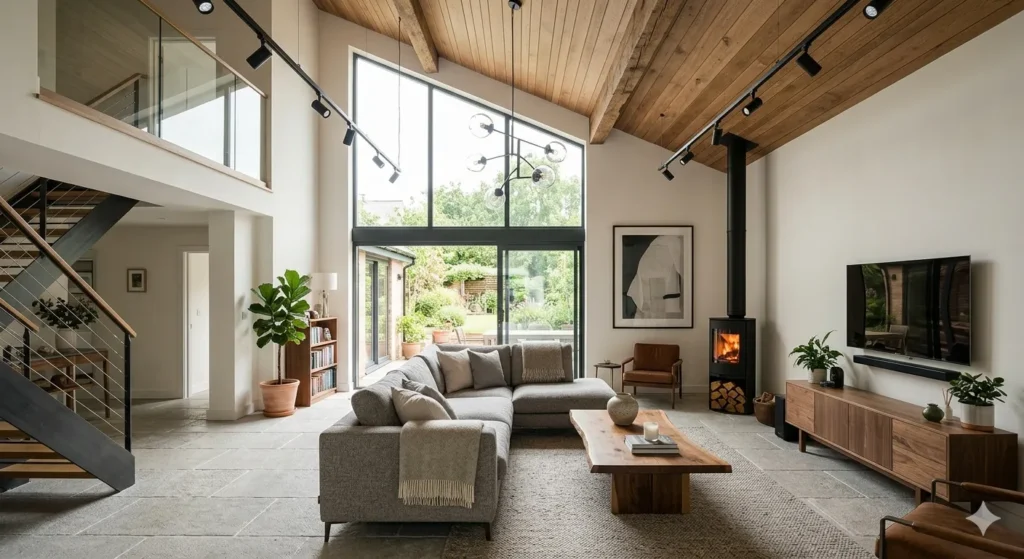
The scale is different. Civil Lines homes — particularly the older bungalows and independent houses on large plots — have rooms that are 400 to 700 square feet, ceilings of 11 to 14 feet, corridors wide enough to feel like rooms in themselves. The renovation brief in these spaces is not about making the most of constrained dimensions. It’s about bringing the full potential of genuinely generous proportions to fruition — designing for rooms that can accommodate furniture at the right scale, ceiling treatments that use height as an architectural asset, and material quality that matches what the architecture itself communicates.
The age of the building creates specific renovation considerations that newer construction doesn’t have. Electrical rewiring is often necessary — older Civil Lines homes were wired for domestic loads that didn’t include multiple air conditioning units, multiple computers, and the full appliance inventory of a contemporary household. Plumbing replacement or upgrade is frequently required. The structural fabric — walls, slabs, roof — needs to be assessed before any finishing work begins, because surface renovation over a structural problem produces beautiful results that fail within a few years.
The heritage consideration is real in some Civil Lines properties. Homes with architectural elements of genuine historical character — original plaster mouldings, tile floors with period character, timber windows and doors from the original construction — need renovation thinking that distinguishes between what should be preserved, what should be restored, and what should be replaced. A renovation contractor who treats every old element as a problem to be replaced is the wrong choice for a Civil Lines property with genuine heritage value.
The Specific Renovation Priorities in Civil Lines Homes
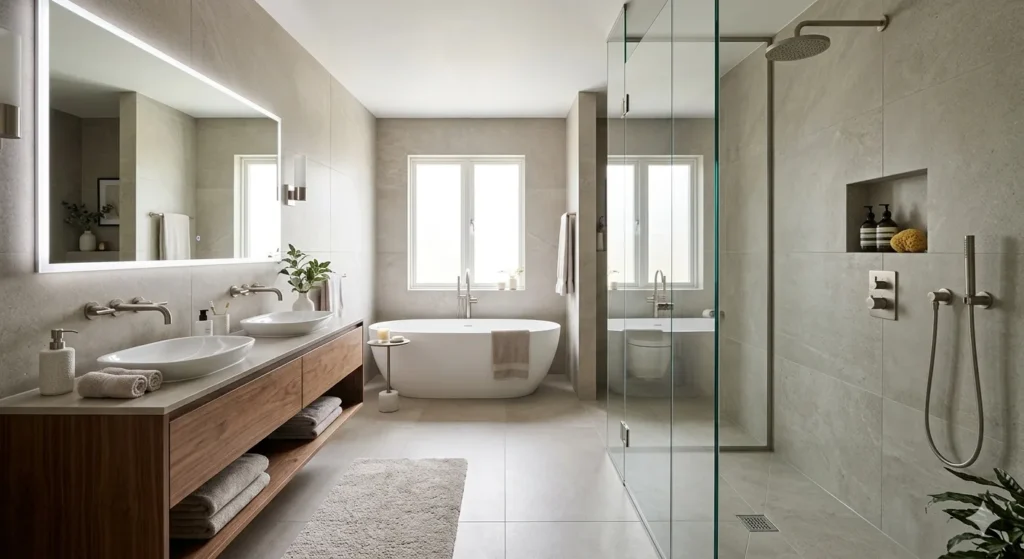
Bathrooms. The bathrooms in older Civil Lines homes are, without exception, the space most in need of renovation and the space where the renovation investment produces the highest return relative to floor area. Original Civil Lines bathrooms typically have small-format tiles in dated patterns, basic fittings installed when the standards were different, and storage provision that was never adequate and has become more so. A comprehensive bathroom renovation — large-format tiles in warm neutral tones, wall-hung sanitaryware, a proper shower enclosure with quality fittings, custom vanity storage, and backlit mirror lighting — transforms a utilitarian room into one that contributes positively to the home’s overall quality. Every significant guest uses the guest bathroom. The family uses the master bathroom daily. Both deserve renovation at a quality level that matches Civil Lines’ standards. Cost: ₹2.5 to ₹6 lakhs per bathroom.
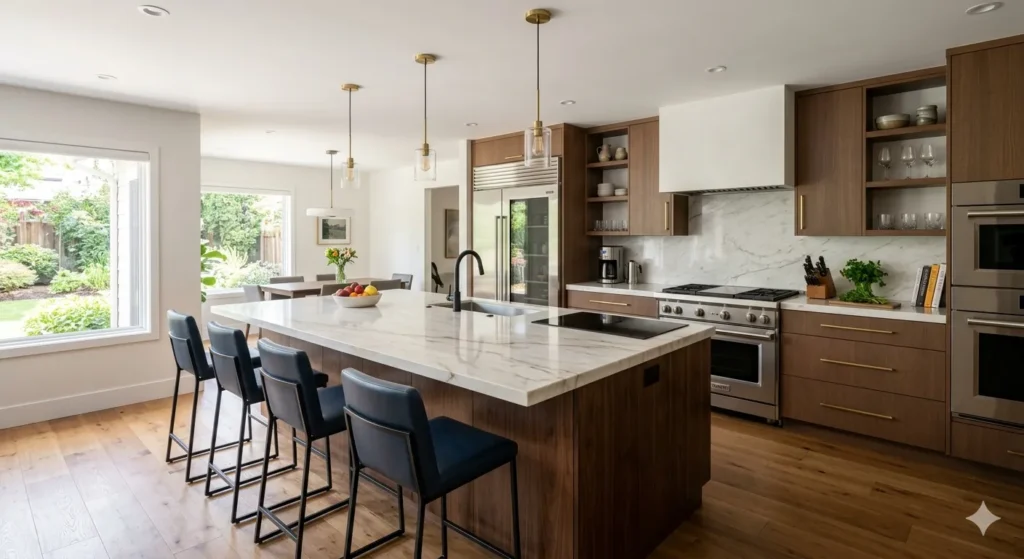
Kitchens. The kitchens in older Civil Lines homes were designed around a domestic staff model of cooking. They’re often large — 180 to 280 square feet — which is a real design asset if used intelligently. The renovation converts these spaces from rooms organised for a staffing model that no longer applies to kitchens that work excellently for contemporary Indian household cooking. The large floor area allows for island configurations, proper breakfast areas, and storage provision that would be impossible to achieve in a compact apartment kitchen. A well-renovated Civil Lines kitchen is genuinely one of the finest domestic cooking spaces available in Nagpur. Cost: ₹6 to ₹14 lakhs depending on size and specification.
Flooring. Original Civil Lines flooring varies between properties — some have original Kota stone or hand-laid tile that is worth preserving and restoring, others have basic vitrified tile that was laid as a previous renovation and deserves replacement with something that suits the architecture better. Natural stone flooring — honey Kota, Indian sandstone, or warm-toned large-format porcelain — in the principal areas is the appropriate specification. In bedrooms, engineered wood in a warm tone adds the comfort and warmth that stone doesn’t provide in a sleeping room. Cost: ₹180 to ₹450 per square foot depending on material.
Electrical and lighting. A complete electrical renovation — new wiring in concealed conduit, adequate circuit capacity for contemporary loads, proper earthing — is the invisible renovation investment that makes everything else possible. Without it, the beautiful kitchen and the renovated bathroom can’t be served with the circuit capacity they need. Integrated with the electrical renovation, a proper lighting design — layered lighting in each room with dimmers and scene control where appropriate — transforms the quality of every room in the evening. Cost: ₹2.5 to ₹5 lakhs for electrical renovation of a large Civil Lines home.
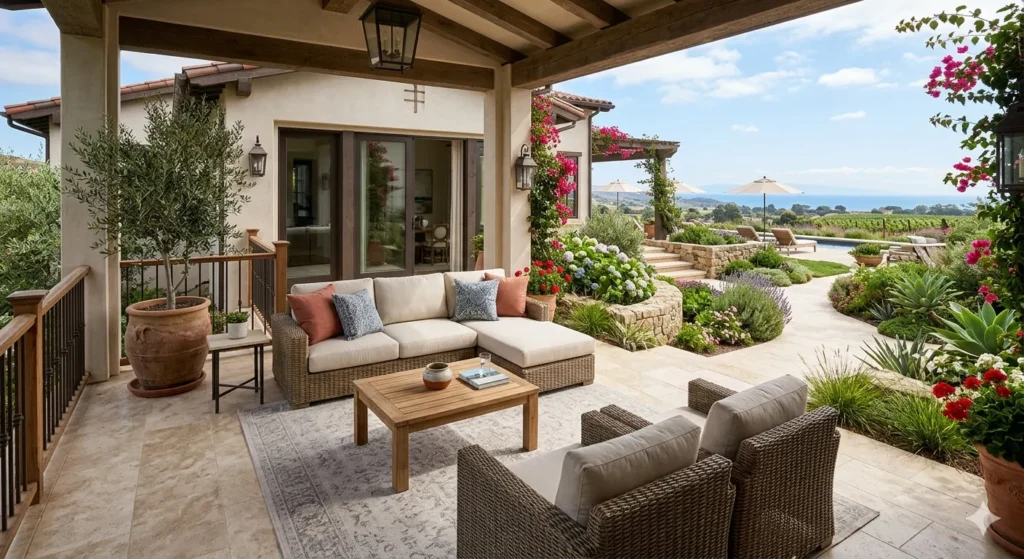
The veranda and outdoor spaces. Civil Lines bungalows typically have covered verandas, covered sit-out areas, and gardens that are significantly underdesigned relative to their potential. A veranda renovation — proper stone or tile flooring, a ceiling treatment that matches the interior quality, well-chosen outdoor furniture, and landscape planting that creates privacy and shade — extends the home’s living area outdoors for six months of Nagpur’s year. This investment, which is often modest relative to the interior renovation budget, produces a space that the family uses daily from October through March and that adds enormously to the home’s character. Cost: ₹3 to ₹8 lakhs for a comprehensive veranda and approach renovation.
Managing a Civil Lines Renovation: What the Process Looks Like
A Civil Lines renovation at any serious scale is a project that requires proper management — a designer who develops the complete brief and design before work begins, a contractor who is capable of executing at the quality level this architecture demands, and a project management process that inspects work at each stage and requires corrections before the next stage proceeds.
The typical Civil Lines renovation timeline for a comprehensive project — kitchen, bathrooms, flooring in principal areas, electrical, painting, veranda — runs five to eight months depending on the scope and the pace at which decisions are made. The design phase before work begins — developing the complete design proposal, specifying materials, getting contractor quotes — typically takes six to eight weeks.
The quality of the renovation contractor matters enormously in Civil Lines because the work being done is more complex than standard contractor work. The electrical contractor needs to rewire a large building without damaging original fabric. The tile contractor needs to set large-format stone correctly in rooms with high ceilings and original plaster walls. The joinery contractor needs to produce cabinetry that holds its quality in Nagpur’s climate cycling. Shortcuts taken by a lower-quality contractor at lower cost show up quickly and are expensive to fix.
Complete comprehensive renovation of a large Civil Lines bungalow at premium specification: ₹45 to ₹85 lakhs depending on size and scope.
For a more targeted renovation — bathrooms, kitchen, and painting only: ₹18 to ₹35 lakhs.
Why Civil Lines Renovation Demands a Specialist Approach
The families who undertake Civil Lines renovations and are most satisfied with the results share one characteristic: they engaged a designer who understood the specific nature of older, large-scale residential properties before a single contractor was appointed. They developed a coherent design vision for the whole home — not room by room, not contractor by contractor — and they executed that vision with the patience and rigour that a project of this complexity rewards.
The families who are least satisfied are those who treated the Civil Lines renovation as a series of independent contractor engagements — the kitchen contractor, then the bathroom contractor, then the painter — each working from the family’s verbal instructions rather than from a coherent design brief. The result in these cases is consistently a home that looks renovated but not designed — each room adequate in itself, none of them forming a whole.
Civil Lines properties deserve better than this. The architecture deserves design thinking that matches its quality. And the families who have lived in these homes for generations, who have the attachment and the resources to renovate them properly, deserve the result that proper renovation produces.
FAQs: Best Renovation Services in Civil Lines Nagpur
Q1. Do I need municipal approval for renovation work in a Civil Lines home?
Structural changes — removing or adding walls, altering the building footprint, changing the external facade significantly — require municipal approval from NMC. Internal renovation work that doesn’t affect the structure or external appearance — kitchen, bathrooms, flooring, painting, electrical — typically doesn’t require a separate approval beyond the original building sanction. Your architect or renovation designer can advise specifically on what your planned scope requires.
Q2. How do I assess whether my Civil Lines home needs structural work before cosmetic renovation?
Engage a structural engineer for a pre-renovation assessment before committing to any finishing work. This assessment — which typically costs ₹15,000 to ₹40,000 depending on the building’s size — identifies any structural issues that need to be addressed first. Surface renovation over an unaddressed structural problem produces results that fail within a few years and are expensive to redo.
Q3. Should original architectural elements in a Civil Lines home be preserved during renovation?
The answer depends on the specific element. Original mosaic tile floors of good quality and character — preserve and restore. Original plaster mouldings in the principal rooms — preserve and restore. Basic utility fittings, standard tiles from a previous renovation, electrical wiring from the original period — replace. The distinction requires design judgment, not a blanket policy of either preservation or replacement.
Q4. What is the most common renovation mistake made in Civil Lines homes?
Lowering the ceiling height. A Civil Lines bungalow with a 13-foot original ceiling that has a gypsum false ceiling dropped to 9 feet has traded its most distinctive architectural asset for a standard apartment ceiling. False ceilings in Civil Lines rooms should work with the height — a coffered design at the original ceiling level, or a very slight drop for mechanical integration that still preserves the room’s exceptional proportions.
Q5. How do I find a renovation contractor in Nagpur who has experience with older, large-scale residential properties like Civil Lines bungalows?
Ask specifically for completed renovation projects in similar properties — older, large-scale residential buildings rather than apartment renovations. Visit completed work in person. Ask how they handle the specific challenges of renovating older construction — the assessment of original fabric, the integration of new services with existing structure, the protection of original elements during construction activity. These questions reveal whether the contractor has the specific experience Civil Lines renovation requires.
Why Choose QC Interiors for Civil Lines Renovation:
Firm: QC Interiors Nagpur
Expertise: Home Renovation, Interior Design, Nature-Responsive Planning
Technology: 3D Visualization (₹6,000 per room) & Walkthroughs (₹12,000)
Service Areas: Civil Lines, Nagpur & Nearby Premium Locations
Start Your Home Renovation Project
Upgrade your home with expert planning, premium materials, and designs that complement Civil Lines’ natural beauty.
