
Best Residential Architect in Beltarodi Nagpur — Getting an Emerging Locality’s Homes Right From the Beginning
Beltarodi is at a stage in its development that real estate professionals describe with the phrase “early momentum” — the stage where the fundamental advantages of a location have been identified by the market, where development activity is accelerating, but where the neighbourhood hasn’t yet reached the pricing and saturation point that makes early investment decisions look obvious in retrospect.
The location advantages are genuine and specific. Connectivity to major employment zones along the Wardha Road-MIHAN corridor. Access to the Outer Ring Road that positions Beltarodi within practical reach of multiple parts of Nagpur without requiring passage through the city’s congested central areas. Land prices that represent real value relative to the more established corridors adjacent to this one. And a residential development activity level that tells you that the market has already identified what the analysis suggests — this is a locality with a real future.
The families building homes in Beltarodi in 2025-26 are, in many ways, the families who are defining what this neighbourhood becomes. The homes being built now will be the neighbourhood’s standard for the next generation. The quality of architectural thinking that goes into those homes — the orientation decisions, the relationship between buildings and plots, the quality of external character and internal design — will determine whether Beltarodi develops the kind of residential character that families are proud to identify with, or whether it becomes another undifferentiated outer-city development that serves as adequate housing without inspiring any particular attachment.
Best Residential Architect in Beltarodi Nagpur
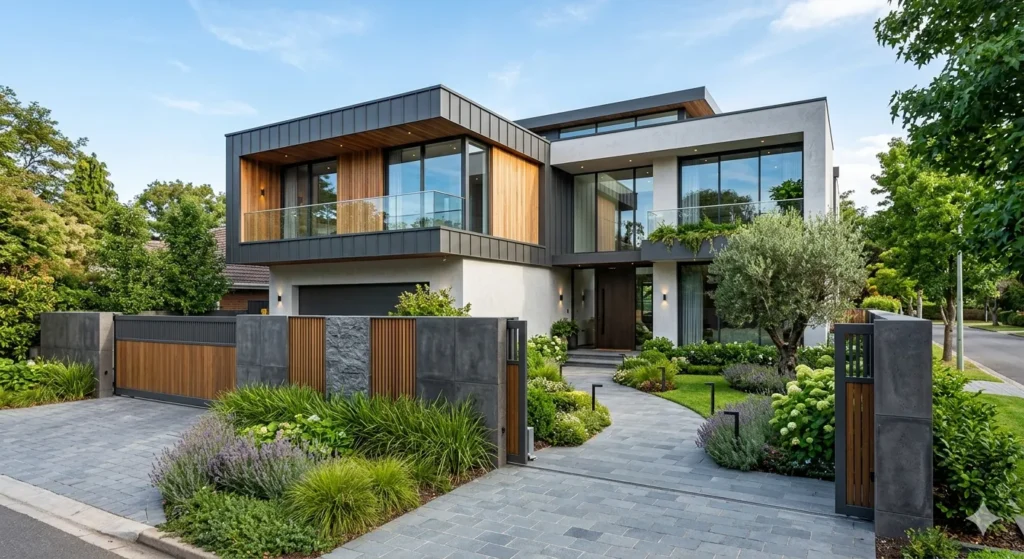
Beltarodi’s Development Context: What You’re Building Into
Beltarodi’s residential development is predominantly plotted — families purchasing plots in layouts approved by NMRDA or in some cases under Gram Panchayat status, and building independent homes. There are some apartment complexes, but the independent home on a private plot is the dominant residential typology here.
This plotted development context is important for the architectural brief in a specific way: in plotted developments, each home has the opportunity to have genuine individual character — an appearance, an approach, a relationship to its plot that is specific to that home and that family. But in a plotted development where each home is designed independently, the visual quality of the neighbourhood as a whole is the sum of the individual design decisions being made on each plot.
Neighbourhoods where plotted development has been managed with attention to individual design quality — where each home has genuine architectural character even when the character varies between homes — develop a residential appeal that goes beyond the sum of the individual properties. Neighbourhoods where plotted development has been dominated by contractor-template construction develop a monotony that limits the neighbourhood’s long-term residential appeal regardless of its location advantages.
This makes the argument for proper residential architecture in Beltarodi not just a private benefit to the family building the home, but a contribution to the neighbourhood’s long-term quality that has a broader benefit.
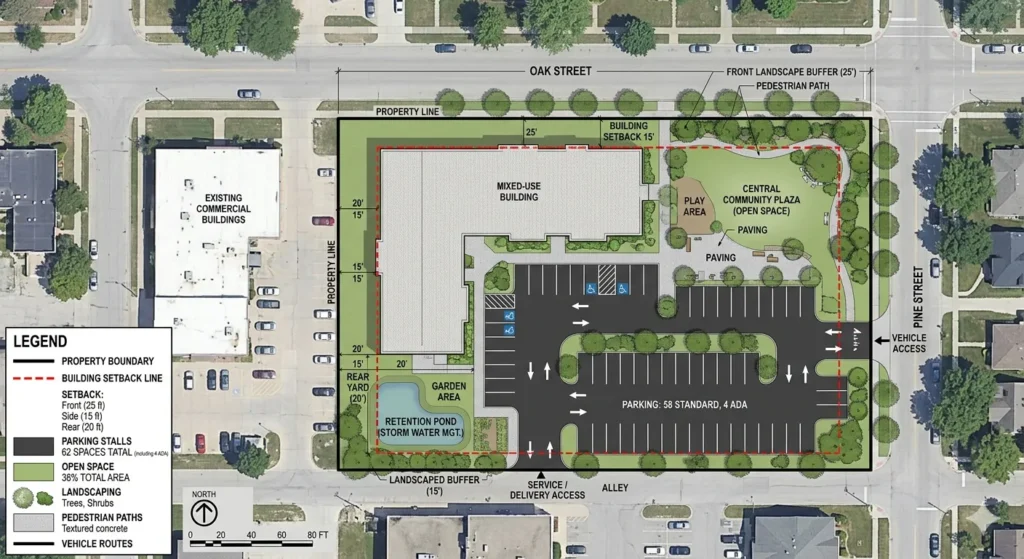
The Regulatory Framework in Beltarodi
Beltarodi’s regulatory situation is one that families need to understand clearly before they commit to construction, because the approval status of different layouts in the area varies in ways that have significant legal and financial consequences.
Some Beltarodi layouts have full NMRDA sanction — the legal gold standard for residential construction in the metropolitan region outside NMC limits. NMRDA-sanctioned plots have clear legal status, are eligible for home loans from nationalised banks, and can be registered and transacted without the legal complications that affect other categories.
Other Beltarodi plots have Gram Panchayat approval status — which provides some legal protection but is not equivalent to NMRDA sanction. Construction on GP-approved plots requires careful legal due diligence and an architect who understands the specific limitations of this approval status.
A third category — plots sold with informal approvals or without valid sanction — should be approached with extreme caution. The residential architect you engage for a Beltarodi project should be able to advise clearly on the approval status of your specific plot and the implications for the construction process.
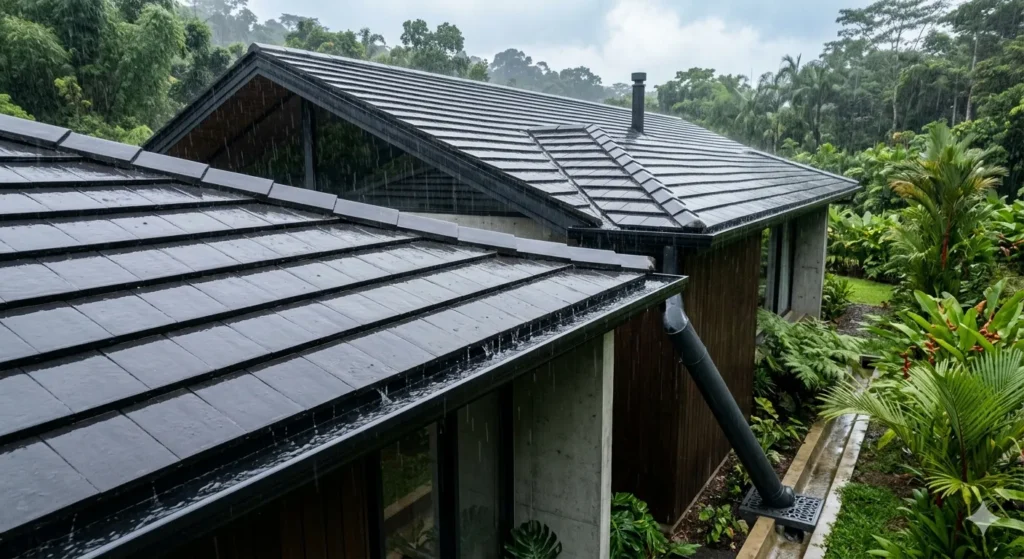
Designing for Beltarodi’s Specific Conditions
Beltarodi shares Nagpur’s general climate profile — demanding summer heat, significant monsoon rainfall, pleasant winters — with the specific characteristic of being in an area where the neighbourhood infrastructure is still developing. This developmental stage creates specific design requirements.
On-site self-sufficiency is more important in Beltarodi than in Nagpur’s established localities. Water supply from the municipal network is less reliable here than in fully serviced areas. Power supply has more frequent interruptions. Road maintenance is more variable. A well-designed Beltarodi home addresses these conditions through adequate on-site water storage — underground sump plus overhead tank of the right combined capacity — generator or inverter provision designed in from the electrical layout stage, and compound design that manages the interface with the road and drainage conditions whatever they happen to be.
The open, exposed nature of Beltarodi’s newer layouts — without the tree cover and neighbourhood density that Nagpur’s established areas have accumulated — makes climate-responsive design more important here than in more sheltered locations. Roof design, orientation decisions, and the shading provision on exposed facades need to be treated with particular care.
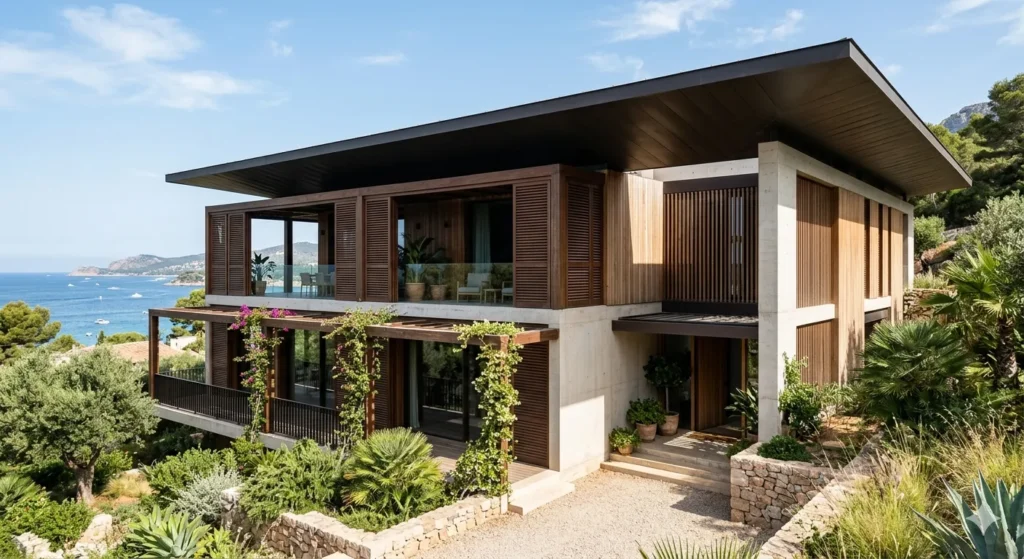
The Long-Term Investment Perspective on Beltarodi Architecture
Families building in Beltarodi today are making a long-term investment decision. The neighbourhood will be significantly more developed — more infrastructure, more social fabric, higher property values — in ten to fifteen years than it is today. The home being built now will be standing in that more developed context, and its design quality will determine how well it fits into and contributes to that future neighbourhood.
This perspective has a specific implication for architectural quality: design for the neighbourhood as it will be, not only as it is. An external character and material quality that reads well in a mature, well-developed residential neighbourhood. A compound and landscape design that anticipates a higher street standard. Interior quality that holds its relevance over years of occupancy rather than dating within a decade.
The residential architect who brings this long-term perspective to a Beltarodi project — who designs not just for the family’s immediate needs but for the home’s thirty-year life in an evolving neighbourhood — is doing work that creates lasting value.
Construction costs in Beltarodi: ₹1,800 to ₹2,700 per square foot for independent residential construction at mid to good specification. Architectural fees: 5 to 8 percent of construction cost.
FAQs: Best Residential Architect in Beltarodi Nagpur
Q1. How do I verify the approval status of my Beltarodi plot before beginning construction?
Ask your property seller or the layout developer for the original sanction letter — either from NMRDA or the relevant Gram Panchayat. Verify NMRDA-sanctioned layouts on the NMRDA website. Have your architect and a property lawyer review the title documents and sanction status before any construction begins.
Q2. What is the minimum infrastructure provision that a Beltarodi home should be designed with?
Underground water sump of adequate capacity (minimum 10,000 litres for a 3BHK home), overhead tank, plumbing designed for both municipal supply and tanker supply. Electrical design with space for an inverter or generator connection. Compound drainage that directs monsoon water away from the building and toward the road drainage without flooding the plot.
Q3. Is it worth investing in premium external finishes for a home in Beltarodi given its developing stage?
Yes. External quality — compound wall and gate, facade finish, compound paving and landscape — contributes to both the home’s immediate curb appeal and its long-term value in a developing neighbourhood where the standard continues to rise. Premium external finishes in a neighbourhood that will mature around them appreciate in relative value; basic finishes in a neighbourhood where the standard rises around them become more noticeably average over time.
Q4. What are the NMRDA setback requirements that affect the design of a home in a Beltarodi residential layout?
NMRDA setback requirements for residential plots in the metropolitan region typically specify front setback of 3 to 6 metres depending on road width, rear setback of 2 to 3 metres, and side setbacks of 1.5 to 2 metres. The specific requirements depend on the plot size and road category. Your architect will determine the applicable requirements for your specific plot as part of the pre-design regulatory review.
Q5. How does Beltarodi’s proximity to the Outer Ring Road affect the residential design brief?
The Outer Ring Road proximity is an asset for connectivity but creates a noise and air quality consideration for homes on or near the road itself. For homes with direct frontage on or close to the ORR, the compound wall design, the orientation of bedrooms and living rooms, and the window specification need to account for road noise and dust. For homes further into the layouts, away from the ORR frontage, the impact is minimal and the connectivity benefit is retained.
Designed to Live Better. Built to Last.
Residential architecture in Beltarodi, Nagpur demands more than drawings—it needs thoughtful planning for heat, space, and daily life.
QC Interiors creates homes that balance structure, comfort, and modern living.
Build with clarity and confidence.
Serving: Beltarodi, Nagpur
