
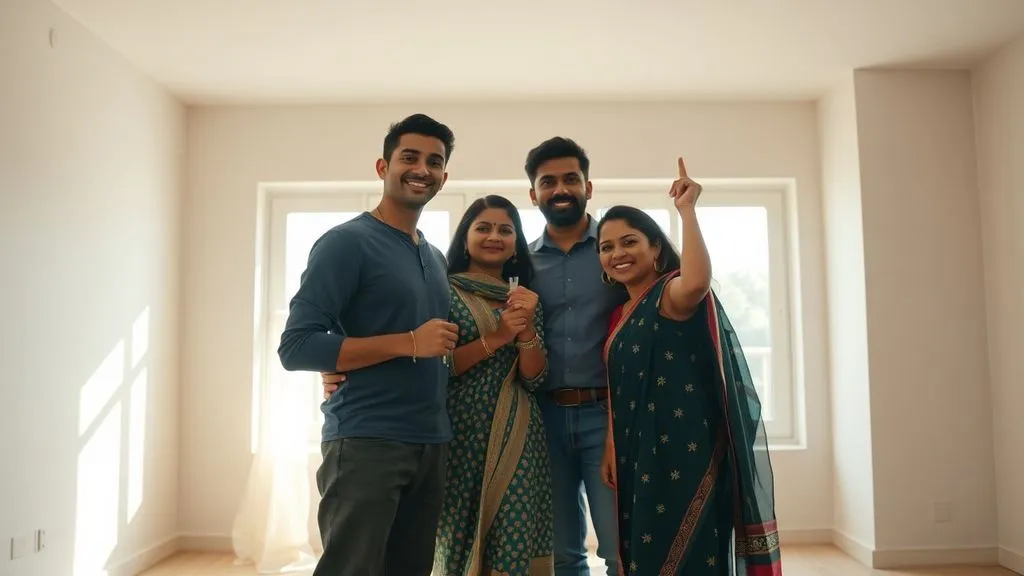
Interior Design for a New Flat in Nagpur: Where to Begin. The day you receive possession of a new flat is one of the most genuinely exciting days a family experiences. The keys are in your hand. Every room is blank. Every wall is waiting for a decision.
And then the contractors start calling. The marble supplier who got your number from the builder’s site
office. The carpenter who has been working two floors down. The painter who has a friend who does
modular kitchens. The offers come quickly and they all sound reasonable.
Here is what I recommend to every family that calls QC Interiors right after possession: slow down. Do the
specific first steps below before any worker crosses your threshold.
Interior Design for a New Flat in Nagpur: Where to Begin
The First Two Weeks: Observe Before You Spend
Before any decision is made or any worker is engaged, spend two weeks simply observing the flat.
Map the light. Visit the flat at different times of day — 8am, noon, 3pm, 6pm. Which rooms are
flooded with morning light? Which walls receive harsh afternoon sun? Which rooms feel shadowed
even in the afternoon? In Nagpur, west-facing rooms receive punishing direct sun from 2pm to 5pm
from March through June. Knowing this before choosing colours, window treatments, and furniture
placement is not optional — it is foundational.
Test the ventilation. On a day with any air movement, open all windows and stand in each room. Feel
where cross-ventilation works naturally. Note which rooms feel stuffy even with windows open. These
observations shape ceiling fan placement, furniture positioning, and the question of which rooms most
need AC versus which can rely on natural airflow.
Test everything the builder installed. Every tap, every flush, every electrical socket, every switch,
every door and window. The builder’s defect liability period — typically six months to one year from
possession — is your window to have construction defects fixed at no cost to you. Miss this window and
every problem becomes yours to pay for. Make a written snag list, photograph every issue, and submit it
formally to the builder in writing with a date stamp.
Check specifically for seepage. Run water in every bathroom for fifteen minutes. Check the walls and
floor-to-wall junctions around wet areas afterward. Look at the kitchen wall beside the sink. Any
moisture appearance needs to be addressed through the builder before your new tiles and finishes go
over the top of it. Seepage addressed after tiling costs ten times more than seepage addressed before.
The Planning Phase: Design Before You Buy Anything
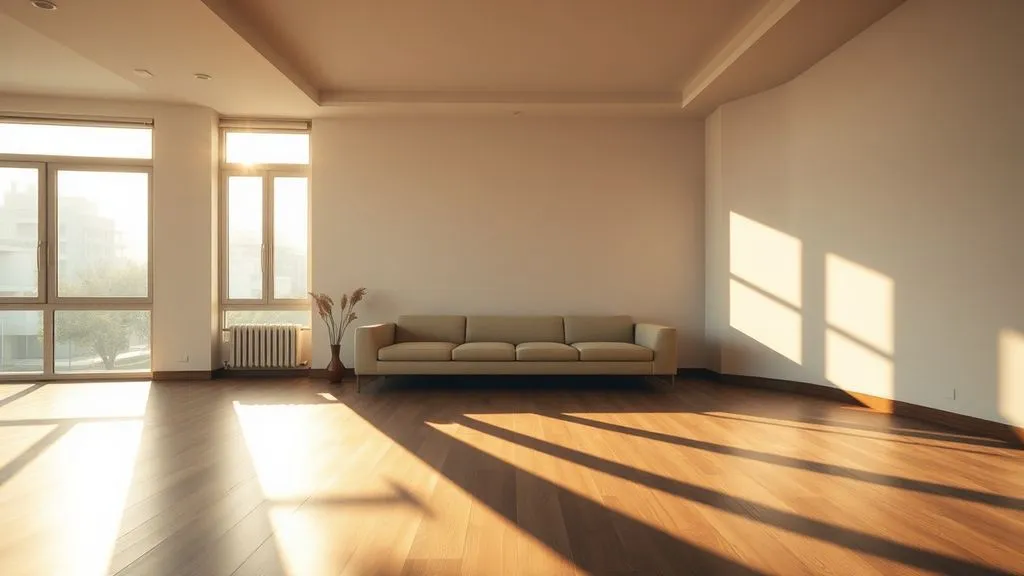
The pull to start shopping immediately after possession is natural and almost universal. Furniture
showrooms, Instagram saves, weekend mall visits. All of this is fine as inspiration. It becomes expensive
when purchases happen before a design plan exists.
Furniture bought before a layout is agreed often does not fit as expected, does not work with pieces bought
later, or ends up being replaced within two years because it was chosen for a room that was imagined
rather than measured and planned. The sofa that looks perfect in the showroom turns out to be 10
centimetres too wide for the living room with the TV unit in the intended position.
Design first. Even a basic plan — furniture layout, colour palette, wardrobe positions, electrical point
layout — makes every subsequent purchase a coherent decision rather than a guess.
The Sequence: What Gets Done in What Order
Interior work for a new flat follows a sequence that is not arbitrary. Doing steps out of order wastes money
and causes rework.
Civil modifications first. Any structural changes — opening a wall, closing a doorway, creating a new
opening, relocating a plumbing point — happen at this stage. Before flooring, before carpentry. Once
flooring is down, structural changes become enormously expensive and disruptive.
Electrical rerouting and upgrades. If the final furniture layout shows electrical points are needed in
different positions than the builder’s defaults — or if the kitchen requires additional circuits for
appliances — the electrician works now, before walls are replastered and painted.
Waterproofing. Bathrooms and kitchen wet areas need waterproofing treatment before tiles are applied.
Verify the builder’s waterproofing is intact and adequate. If it is not, address it now.
Flooring. Whether you are keeping the builder’s flooring, upgrading it, or adding wood-look material,
this stage comes before carpentry. Flooring laid after carpentry risks the new surface being scratched
during cabinet installation.
Carpentry and false ceiling. Modular kitchen, wardrobes, TV unit, study table, false ceiling. This stage
comes after flooring is protected and before painting.
Painting. After all carpentry is complete, with proper edge finishing at the junction between cabinet and
wall. Painting before carpentry always results in the need for touch-ups.
Fixtures, fittings, and furniture. Light fixtures, curtain rods, bathroom accessories, furniture delivery
and placement. The finishing stage.

The Mistakes Most First-Time Flat Owners Make in Nagpur
Doing the kitchen last. The kitchen is used from day one of occupancy. It is also the room where poor
material choices show the fastest consequences. Design and build the kitchen before moving in.
Buying cheap furniture to start with something. The temporary sofa almost always becomes the
permanent one. The budget spent on it would have been a meaningful contribution to the piece you
actually wanted.
Skipping professional input because the project seems small. A single consultation before decisions
are locked in saves multiples of its cost in avoided mistakes. Many design firms in Nagpur, QC Interiors
included, offer free initial consultations. Use them.
Ignoring Vastu if it matters to the family. Vastu corrections after construction are expensive. If Vastu
compliance is important to your household, involve a practitioner before civil and electrical work
begins.
When to Reach Out to QC Interiors
The best time is immediately after possession, before any purchases or contractor visits. The full design
canvas is available and every decision can be made from a complete, considered plan.
The second-best time is right now. Our initial consultation for new flat interiors in Nagpur is free. We walk
through the flat, understand how your family lives, and give you an honest picture of what would work and
what it would cost. Reach out whenever you are ready.
The Electrical Planning Conversation Nobody Has Early Enough
One of the most consequential and consistently underplanned elements in a new Nagpur flat is the
electrical layout. Builder-provided electrical points are positioned for a generic occupant, not for how your
specific family will live. The socket that ends up behind the refrigerator. The single point in the bedroom
that gets occupied by the phone charger, leaving nowhere to plug in a reading lamp. The kitchen with two
points where your appliance count requires six.
Before plaster and paint, moving a socket costs Rs. 800 to Rs. 2,000. After finished walls, the same change
means cutting conduit, replastering a section of wall, letting it cure, and repainting — the same job is now
Rs. 8,000 to Rs. 15,000 and leaves a visible patch if the painter doesn’t match the existing colour perfectly.
That math is the entire reason electrical layout needs to be finalised at the space planning stage, on paper,
before any finishing begins.
Soft Furnishings: The Final Layer That Makes It Home
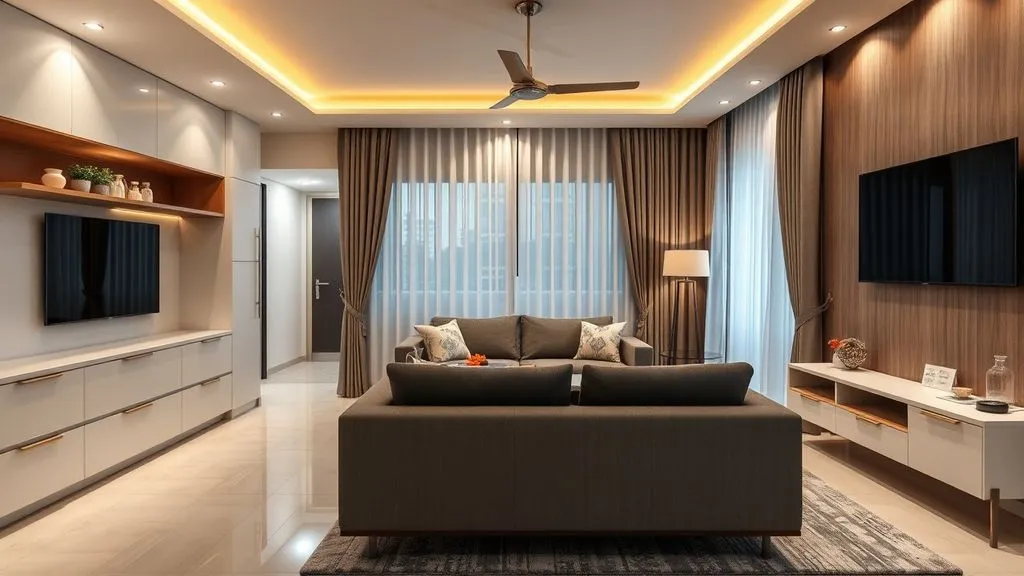
People consistently underestimate what curtains, a rug, and decent cushion covers do to a room that’s
technically finished. I have handed over rooms that looked beautiful in the construction phase and interior design for flats in photographs because there was no rug, no curtains, no texture. And I’ve seen the same rooms after the family moved in and added those layers — and the difference is stark. Plan soft furnishings as a line item
in your budget from the beginning, not as whatever is left over after everything else is paid for. In Nagpur
specifically, cotton and linen for summer, slightly heavier for the short winter. Your home gets two
refreshes a year for very little money, and it keeps feeling current.
